

Building a Print-on-Demand Business With DTF Transfer Technology
Starting a print-on-demand business has become more achievable thanks to modern digital production tools. Among them, dtf transfers by EazyDTF stand out for their flexibility and efficiency. This approach allows entrepreneurs to produce custom apparel without holding large inventories or managing complex setups. It supports creativity while keeping costs predictable. Many small brands now rely on this model to enter competitive markets with confidence. Understanding how DTF transfer technology works within a print-on-demand structure helps business owners make smarter decisions and grow steadily.
Making DTF Transfer Technology More Effective
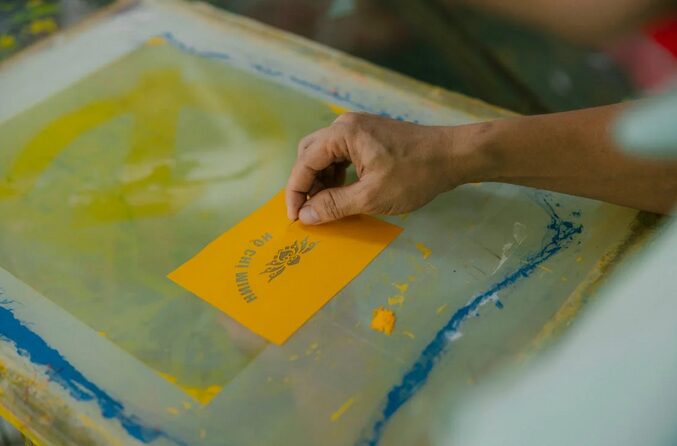
DTF transfer works by printing designs onto a special film and then transferring them onto fabric using heat. This process supports many fabric types and colors. It delivers consistent results with strong color depth. The prints feel flexible and last through repeated washing. The method also supports detailed artwork. These features give businesses the freedom to offer diverse designs without complex setup changes. This flexibility is a key reason for its growing adoption.
Understanding the Print-On-Demand Model
Print-on-demand focuses on producing items only after a customer places an order. This removes the need for bulk storage and reduces waste. It also lowers upfront investment. Business owners can test designs quickly and adapt to demand changes. The model supports experimentation and fast updates. When paired with modern printing methods, it becomes even more powerful. DTF transfer technology fits naturally into this structure because it supports short runs and fast turnaround times.
Managing Design and Order Processing
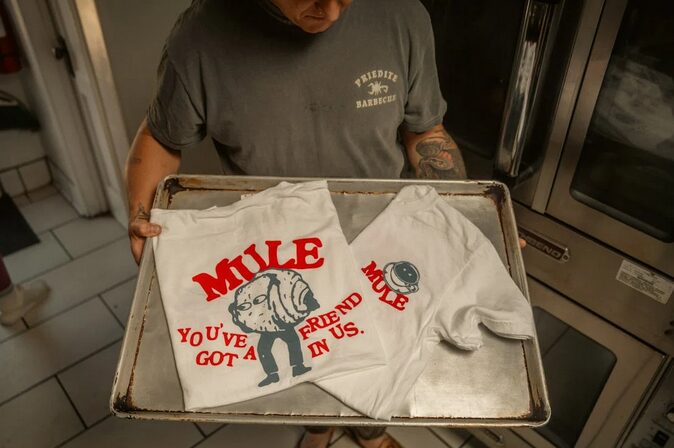
Design management plays a major role in customer satisfaction. Clean files and correct sizing help avoid reprints. Many businesses use digital tools to organize artwork and automate order tracking. This saves time and reduces mistakes. Integration between online stores and production systems allows orders to move smoothly from checkout to printing. Automation can ensure that every design reaches production correctly. This structure supports accuracy and reliability across daily operations.
Considering Quality Control and Customer Experience
Quality affects trust more than any marketing message. Customers expect prints to look good and last long. Regular checks help maintain consistent output. Testing new materials before full use can prevent problems. Clear communication with customers also matters. Providing updates and realistic timelines builds confidence. A strong focus on experience helps brands stand out in crowded markets. It also encourages repeat purchases and positive reviews over time.
Scaling a Print-on-Demand Business
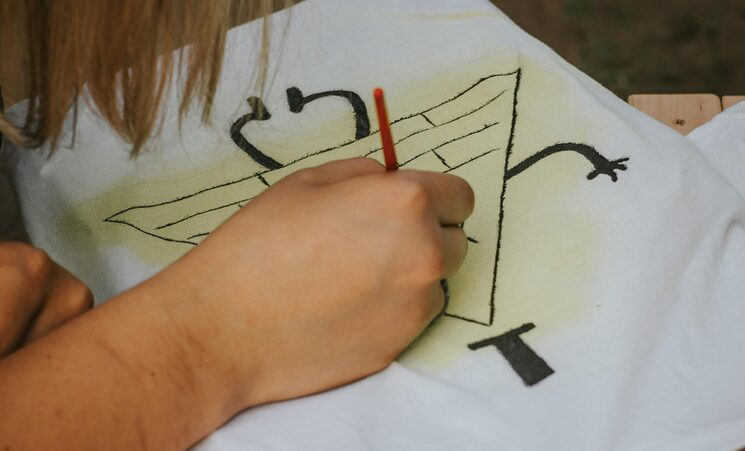
Growth requires planning and patience. As order volume increases, systems must handle higher demand. Investing in better equipment or additional presses can help. Some businesses add automation to reduce manual steps. Others expand product lines while keeping the same production core. Careful expansion helps ensure stability. Each decision should support long-term goals. Scaling works best when quality, speed, and service stay aligned.
Building a print-on-demand business with DTF transfer technology combines flexibility, efficiency, and creative freedom. The model allows entrepreneurs to start small and grow with confidence. Clear workflows, strong quality control, and thoughtful scaling strategies all contribute to success. By understanding the tools and processes involved, business owners can make informed choices and avoid common setbacks. This approach supports sustainable growth in a competitive market while meeting modern customer expectations.…